Eliminating Nocardia Foam in 60 Days with BioRemove FOG Boost
After commissioning a new milk production line, a beverage plant in Thailand experienced severe Nocardia-related foaming throughout its wastewater treatment system. Elevated FOG loading led to persistent foam, increased maintenance requirements, and operational challenges. BioRemove FOG Boost was implemented to address the root cause and restore treatment performance.
Benefits
- Eliminated Nocardia-related foam
- Reduced floating grease and solids
- Lowered labor requirements
- Improved treatment stability
- Restored normal clarifier performance
Application
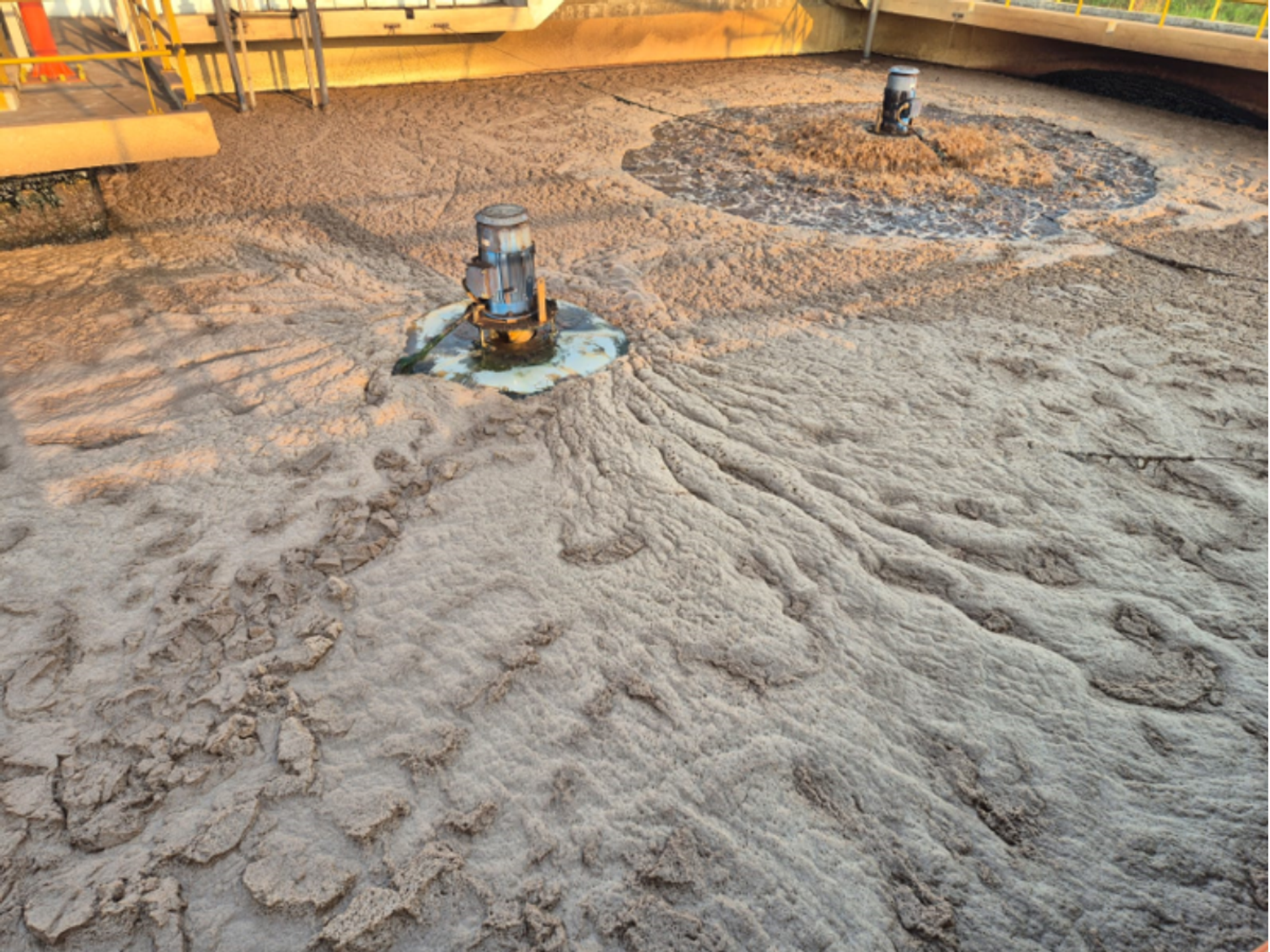
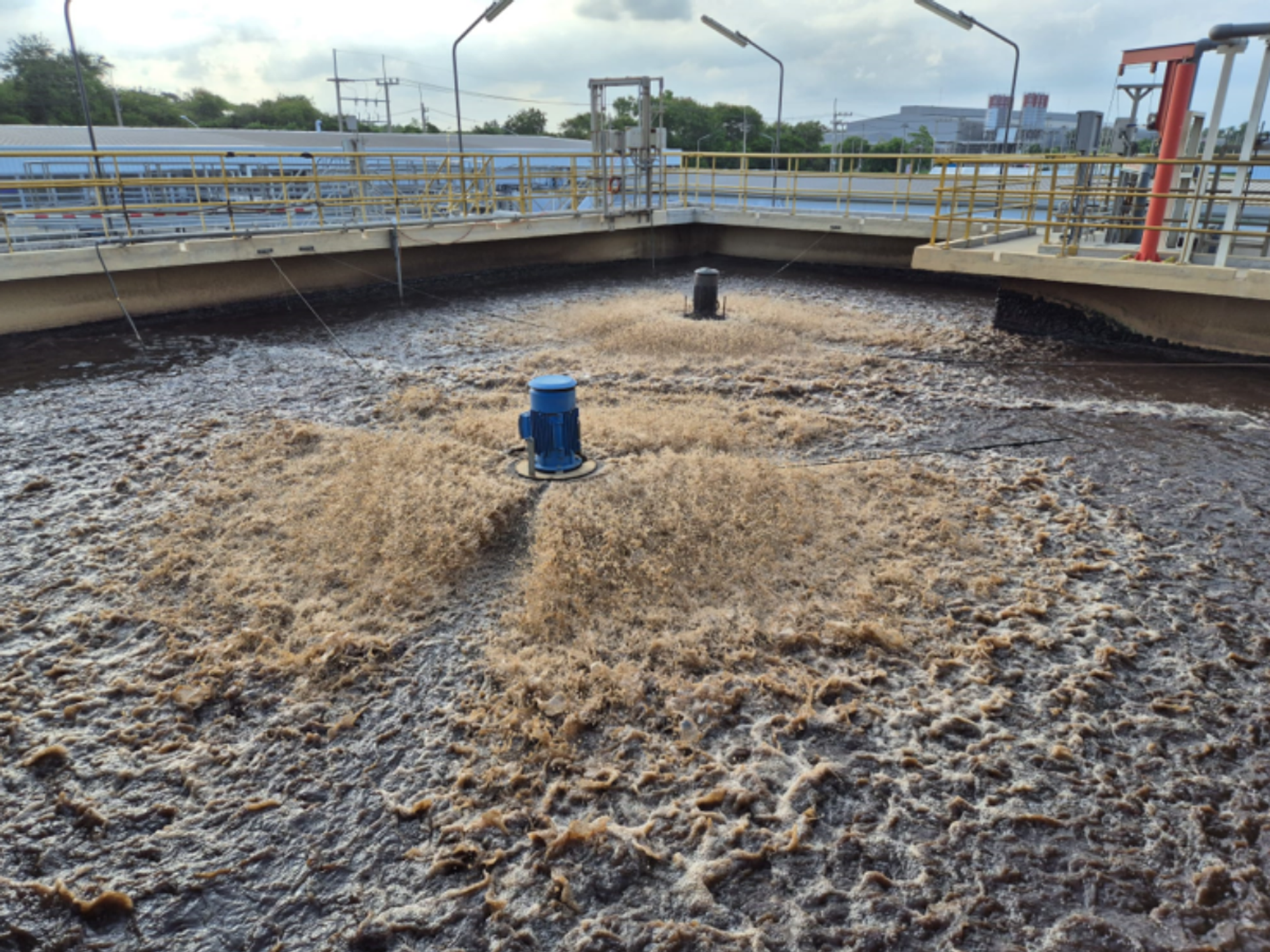
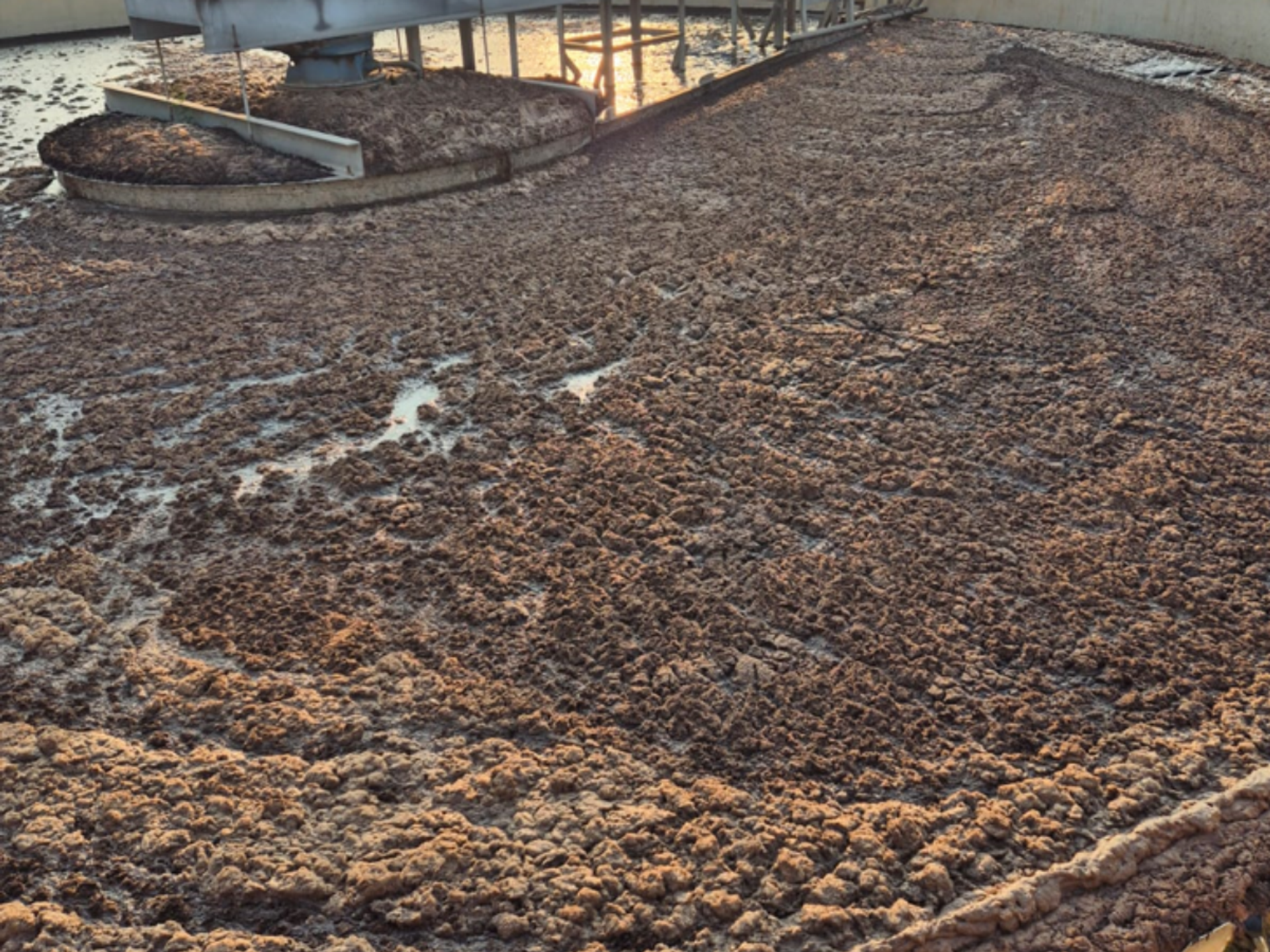
Following the startup of a new milk production line, the facility began experiencing excessive brown foam throughout its wastewater treatment system. Foam accumulated across the aeration basin and secondary clarifier, requiring ongoing manual removal of floating grease, solids, and foam.
A review of operating conditions indicated elevated FOG levels were supporting Nocardia growth. Rather than continuing to manage the symptoms, the facility implemented a bioaugmentation program using BioRemove FOG Boost to accelerate FOG degradation and reduce the food source fueling filament growth.
Results
Within approximately 60 days, the facility observed significant improvements throughout the treatment system.
Key results included:
- Significant reduction of Nocardia-related foam in the aeration basin
- Elimination of foam accumulation in the secondary clarifier
- Reduced floating grease and suspended solids
- Restoration of normal clarifier operation and solids separation
- Lower labor requirements for foam and FOG removal
- Improved process stability and overall plant performance
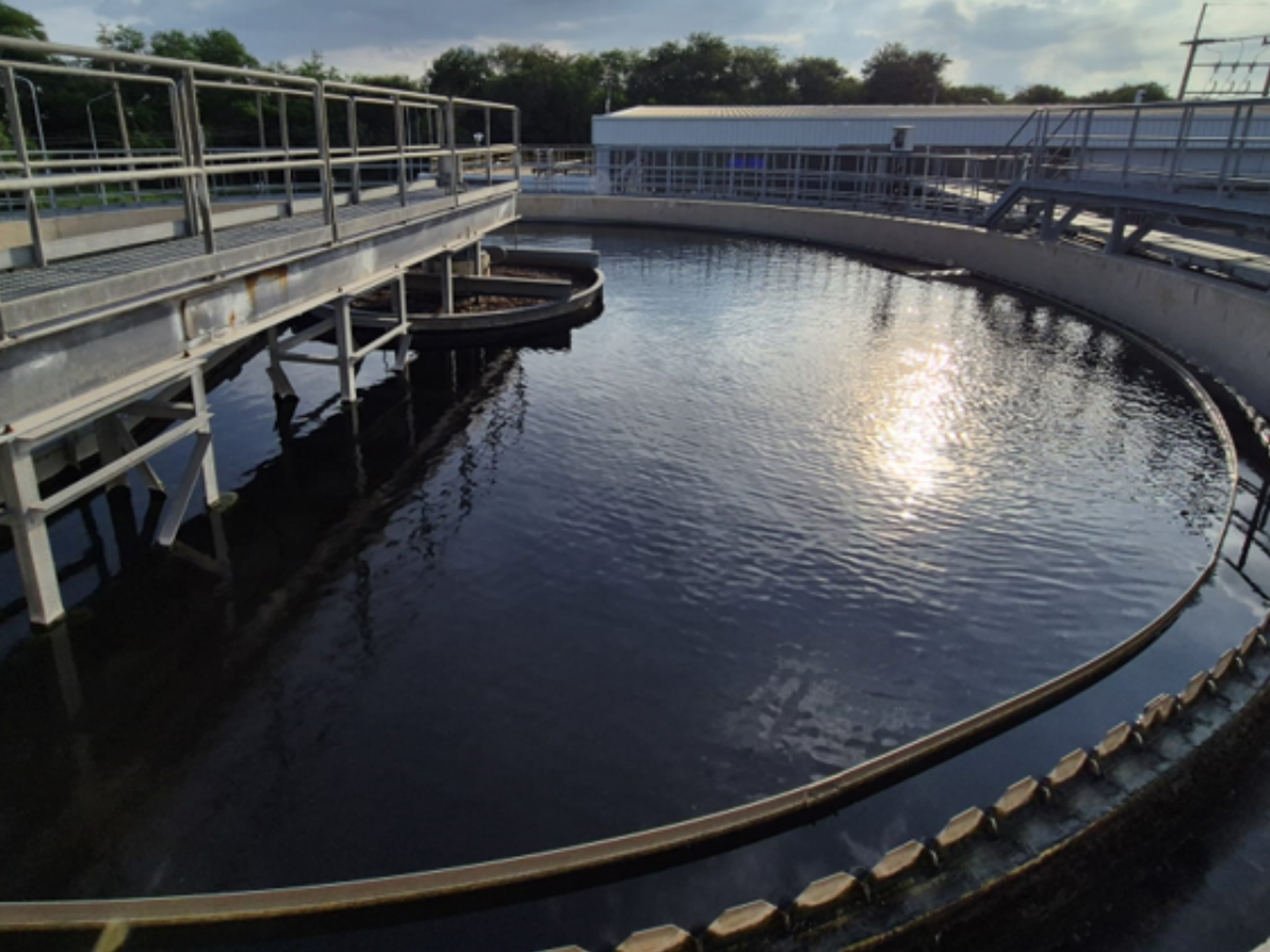
By the end of the treatment period, excessive foam had been eliminated and the clarifier surface returned to normal operating conditions.
Conclusion
This Thailand beverage plant successfully resolved a severe Nocardia foaming issue by targeting the underlying FOG load associated with wastewater generated after startup of a new milk production line. Rather than continuing costly manual removal efforts, the facility addressed the root cause of the problem through bioaugmentation with BioRemove FOG Boost.
The project demonstrates how addressing excess FOG can restore stable wastewater treatment performance while reducing foam and maintenance requirements.